★ RETRO ARCHIVE ★

A Curated Guide to Golden-Era Game Classics

Fifteen influential retro games from cartridges, cabinets and living-room legends.

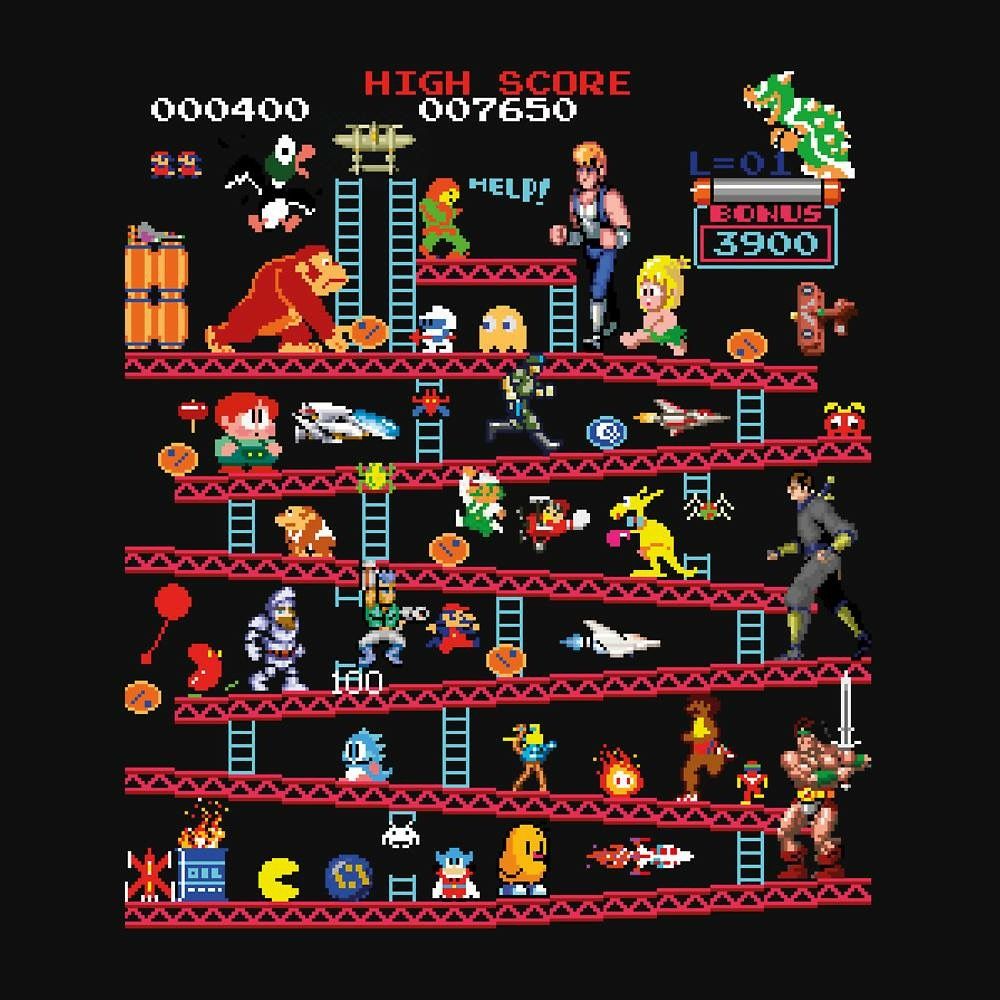
Step into a definitive editorial encyclopaedia of the most enduring titles that defined a generation. Explore the mechanics, narratives, and visionary pixel art that built the unwavering foundation of modern interactive entertainment.

Golden era arcade and cartridge composition
Super Metroid Chrono Trigger Final Fantasy VI Earthbound Star Fox Super Mario Kart Streets of Rage 2 Gunstar Heroes Earthworm Jim Battletoads Centipede Zaxxon Tron Marble Madness Golden Axe Super Metroid
THE ENDURING LEGACY

Why These Classics Still Matter

🕹️

Arcade Roots

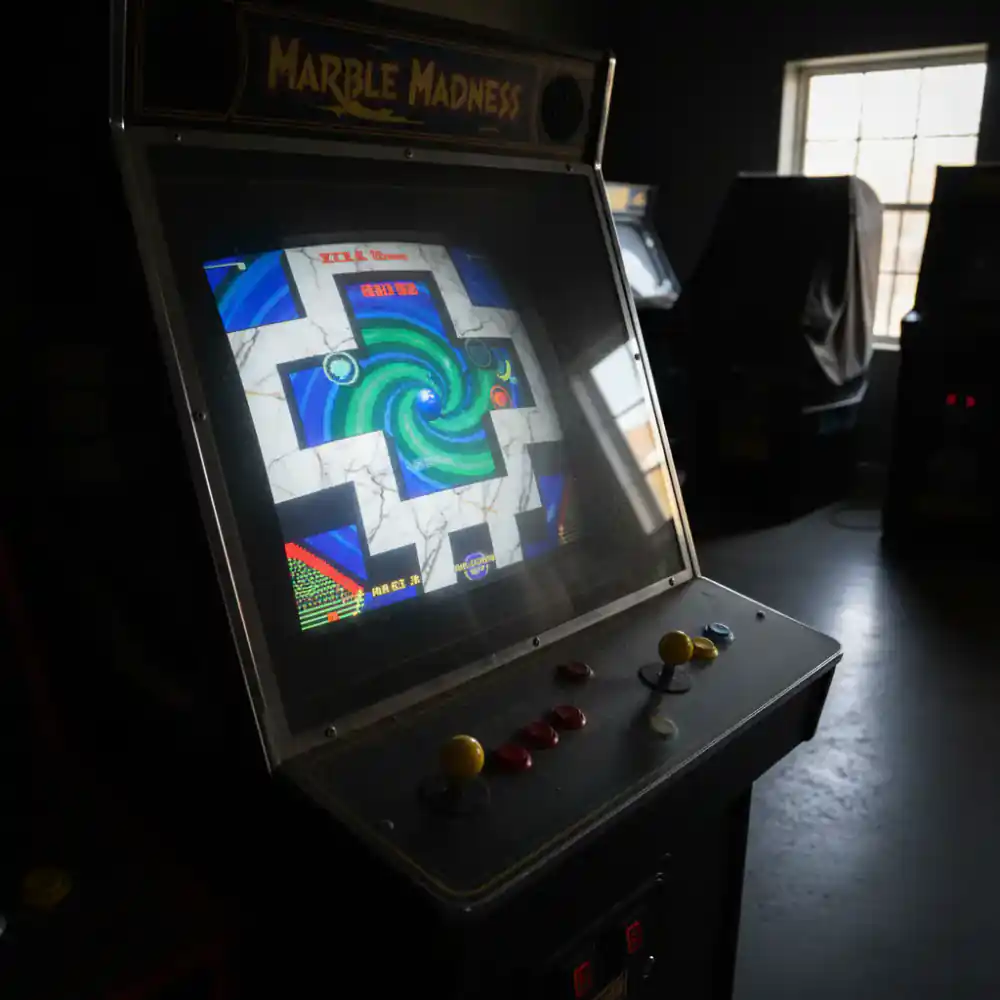
The raw challenge of the coin-op era established the vocabulary of video game mechanics. Titles like Centipede, Zaxxon, Tron, and Marble Madness demanded pinpoint precision and intuitive reflexes. They were the proving grounds for hardware innovation, setting a high watermark for scoring systems and immediate, frictionless gameplay loops.

📺

16-Bit Ambition

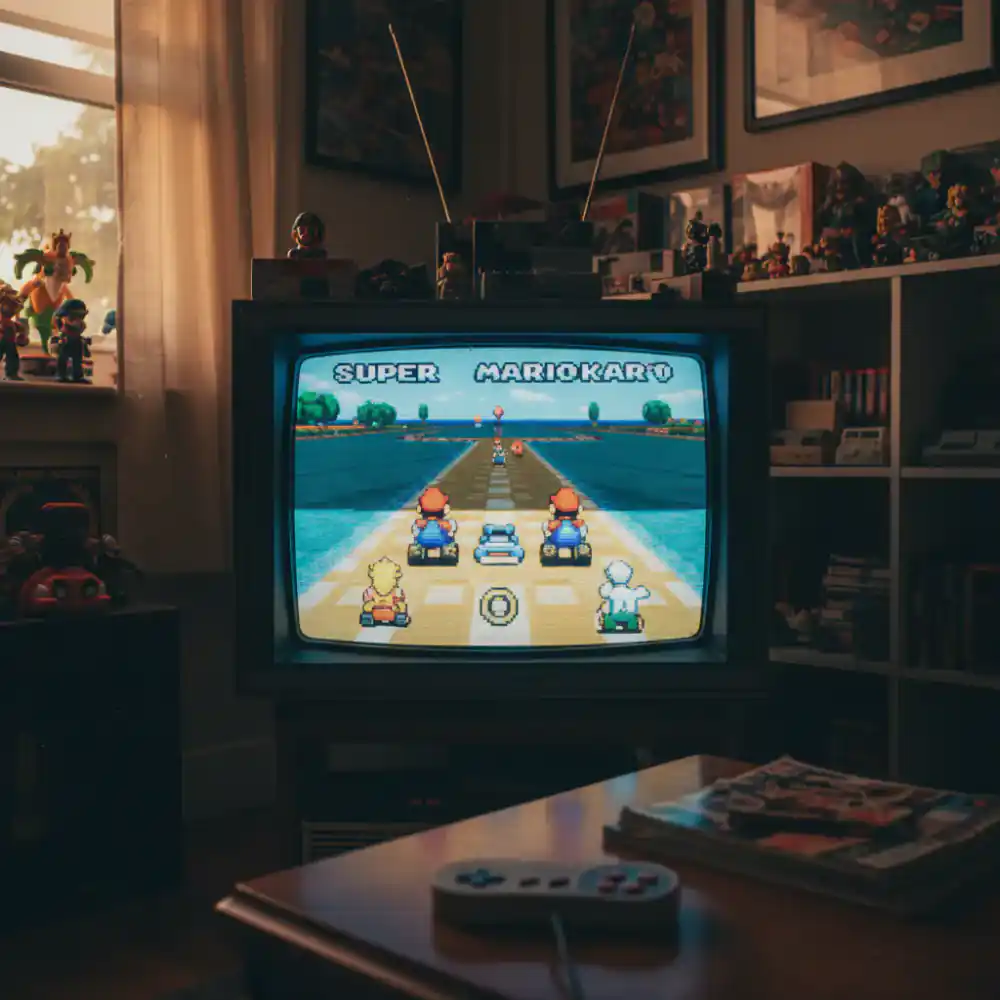
The transition to 16-bit consoles brought cinematic scale to the living room. Masterpieces like Super Metroid, Star Fox, Super Mario Kart, and Streets of Rage 2 pushed sprites and early polygons to their absolute limits. This era codified genres, introduced sweeping atmospheric soundtracks, and perfected the couch multiplayer experience.

🗡️

Narrative and Character

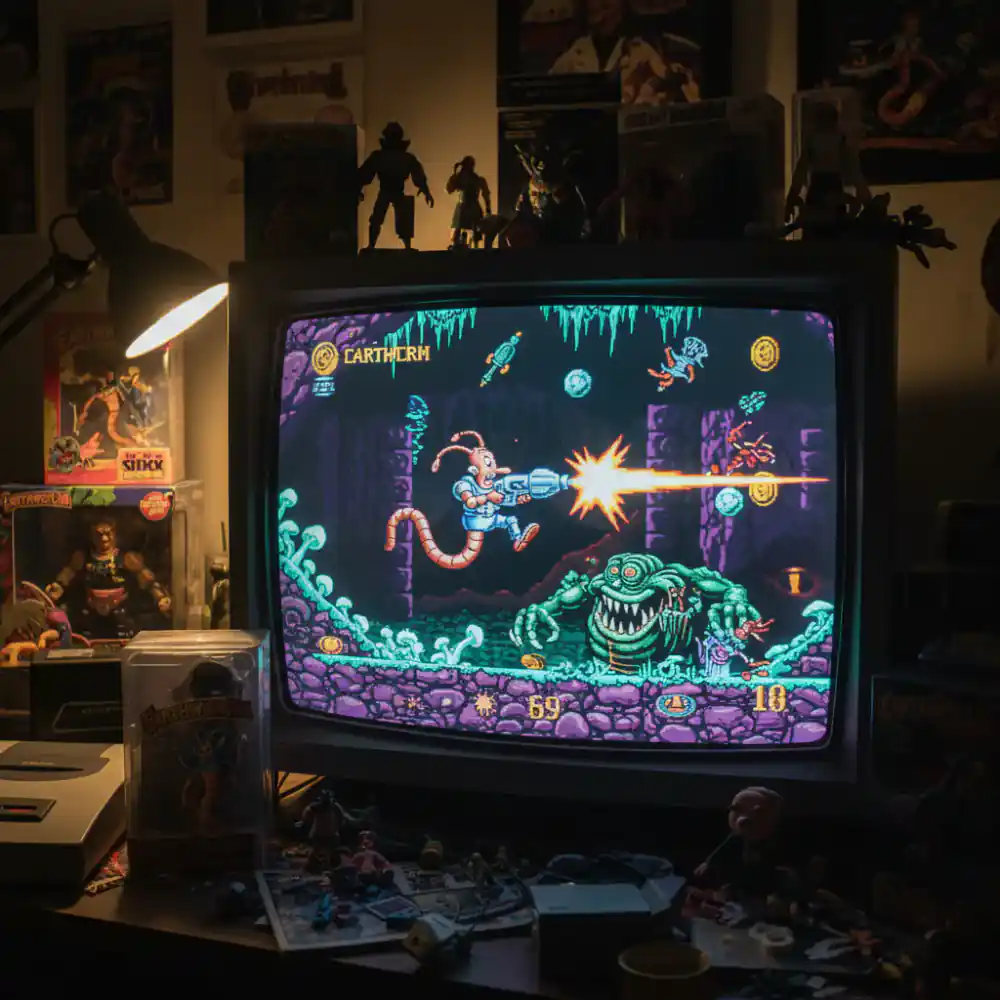
As storage capacity expanded, so did the ability to tell profound stories. Chrono Trigger, Final Fantasy VI, Earthbound, and even character-driven actioners like Earthworm Jim proved that games could evoke deep emotional responses. These titles blended iconic pixel art with complex themes, leaving a permanent mark on narrative design.
THE DEFINITIVE COLLECTION

Top 15 Golden Retro Games

A wider editorial selection of retro titles with lasting design, character and influence.

All RPG Shooter Racing Beat-em-up Platformer Nintendo Sega
Super Metroid gameplay screen
01
1994 Action-Adventure Nintendo

Super Metroid

★★★★★

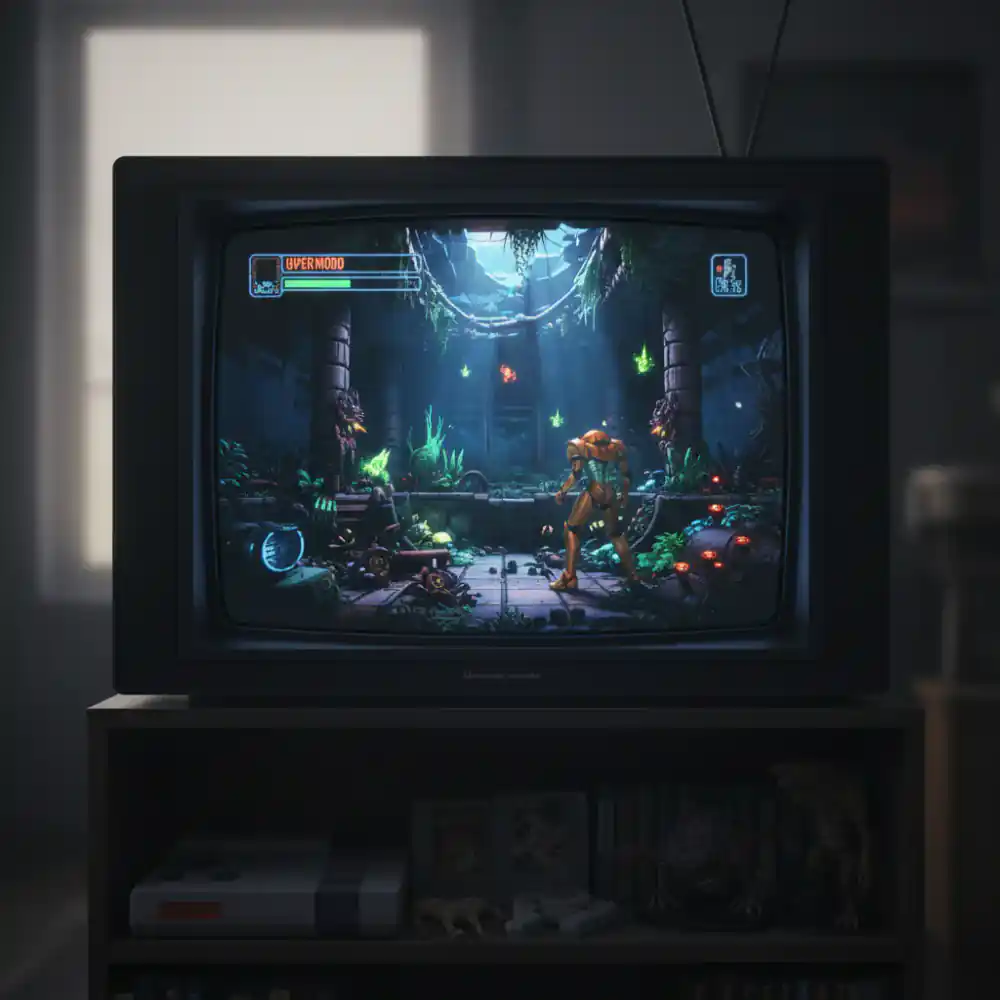
A masterclass in environmental storytelling and non-linear exploration. Samus Aran's journey deep into the hostile planet Zebes set the definitive template for the entire 'Metroidvania' genre. Its haunting atmosphere and immaculate pacing remain unmatched.

Fun Fact: The game's immense map was so complex it took the developers nearly a month just to lay out the physical paper sketches of the rooms.
Super Metroid
Chrono Trigger gameplay screen
02
1995 RPG Square

Chrono Trigger

★★★★★

Created by a 'Dream Team' of Japanese developers, this time-travel epic defied RPG conventions with visible enemies, dynamic combo attacks, and multiple endings. It is widely considered a flawless execution of the 16-bit role-playing formula.

Fun Fact: The game features 'New Game Plus', a concept it pioneered, allowing players to carry over their stats to unlock alternate timelines.
Chrono Trigger
Final Fantasy VI gameplay screen
03
1994 RPG Square

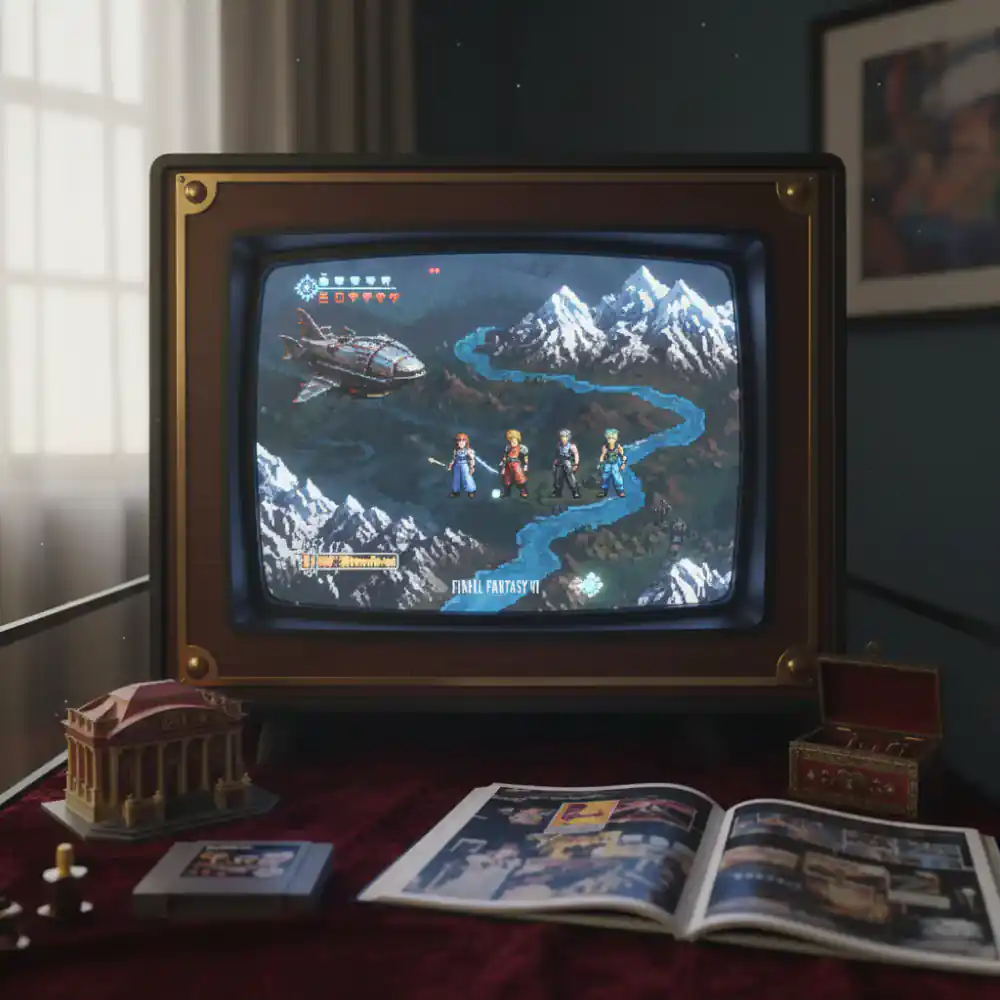
Final Fantasy VI

★★★★★

Trading fantasy for steampunk, this epic delivered an ensemble cast where any character could be the protagonist. Its operatic scale, iconic villain Kefka, and dramatic mid-game structural shift redefined narrative scope in gaming.

Fun Fact: The famous Opera House scene pushes the console's sound chip to its absolute limits, mimicking synthetic vocals for the aria.
Final Fantasy VI
Earthbound gameplay screen
04
1994 RPG Nintendo

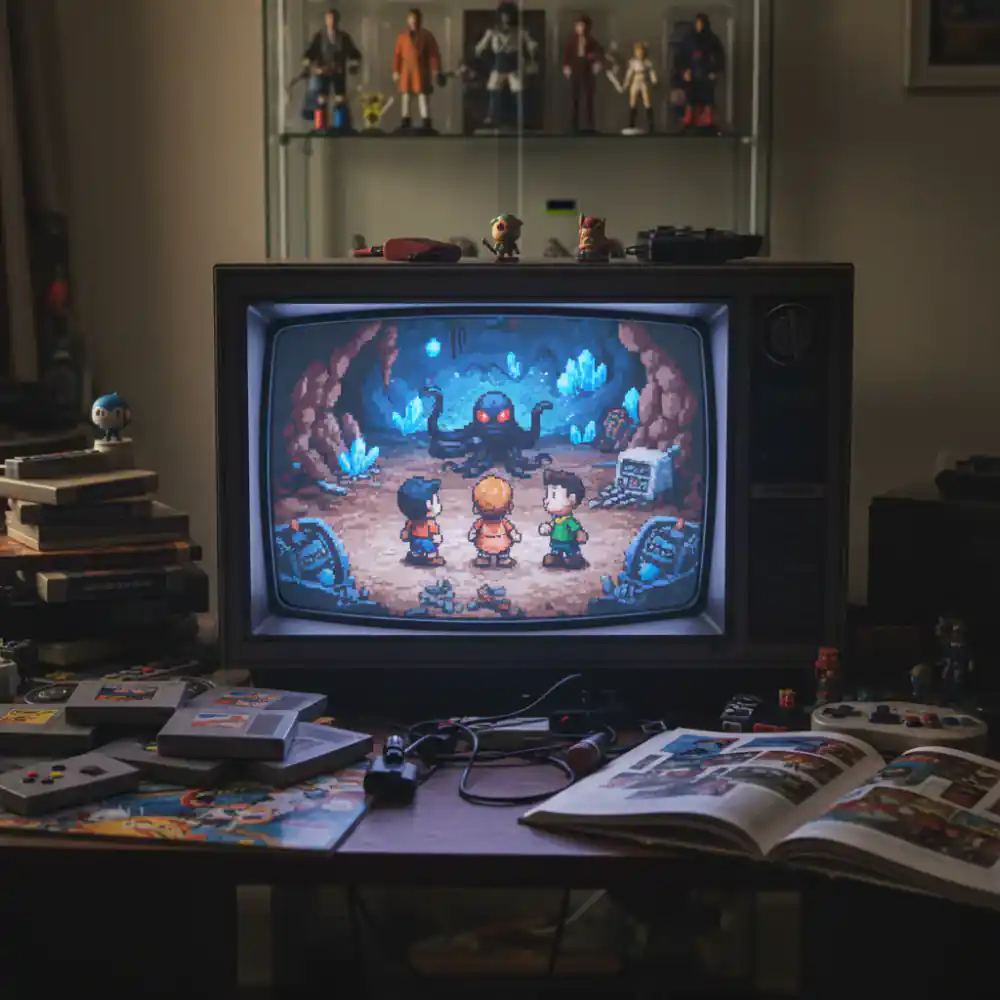
Earthbound

★★★★☆

A quirky, modern-day RPG that swapped swords and sorcery for baseball bats and psychic powers. Beneath its colourful, humorous exterior lies a surreal and touching commentary on childhood, Americana, and cosmic horror.

Fun Fact: The game's anti-piracy measures were notoriously brutal, significantly increasing enemy encounters and wiping save data right before the final boss.
Earthbound
Star Fox gameplay screen
05
1993 Shooter Nintendo

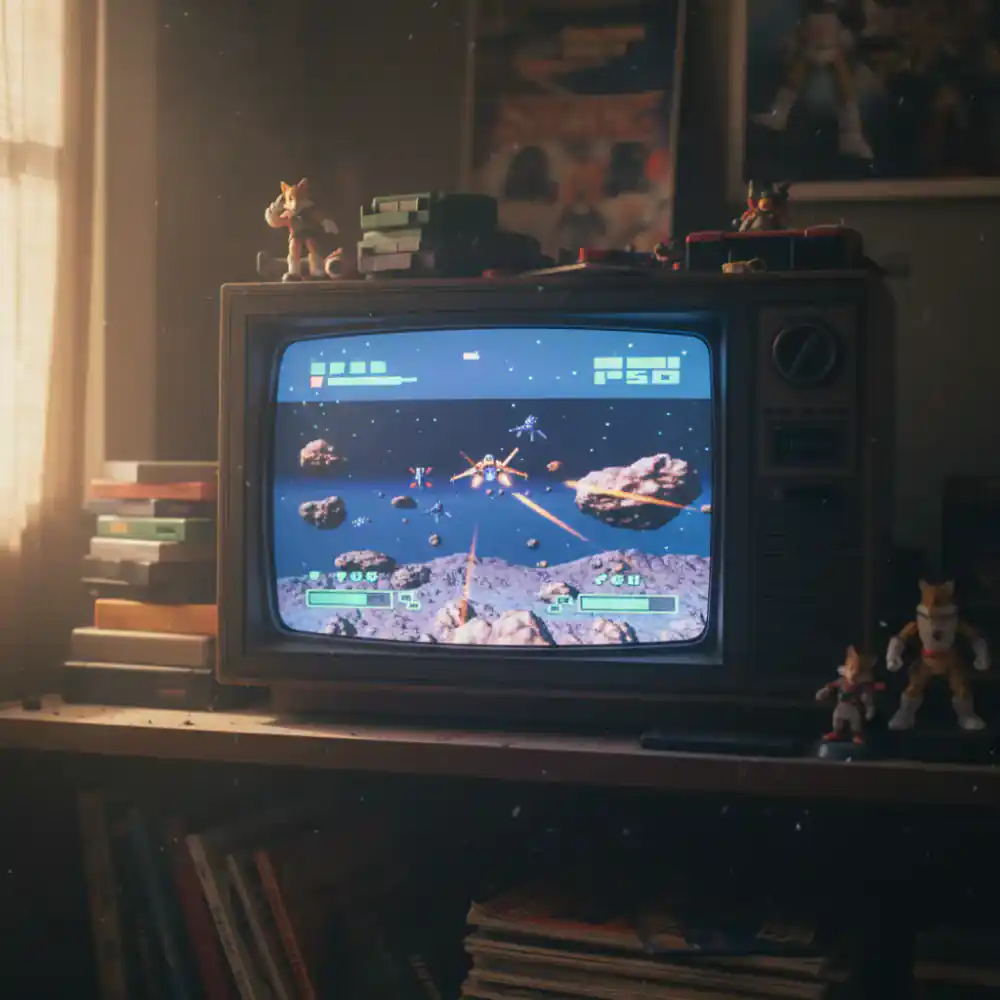
Star Fox

★★★★☆

Powered by the revolutionary Super FX chip, this rail shooter brought true 3D polygonal graphics to a 2D console. The intense dogfighting and distinct crew member personalities created a thrilling sci-fi adventure.

Fun Fact: The distinctive character voices were created using scrambled, compressed voice samples to save cartridge memory space.
Star Fox
Super Mario Kart gameplay screen
06
1992 Racing Nintendo

Super Mario Kart

★★★★★

The birthplace of the mascot kart racer. Using Mode 7 graphics to simulate a 3D track, it combined precise driving mechanics with chaotic item combat, fundamentally changing local multiplayer dynamics forever.

Fun Fact: It was originally prototyped as a two-player racing game featuring generic characters before Mario was added to make the karts more recognisable.
Super Mario Kart
Streets of Rage 2 gameplay screen
07
1992 Beat-em-up Sega

Streets of Rage 2

★★★★★

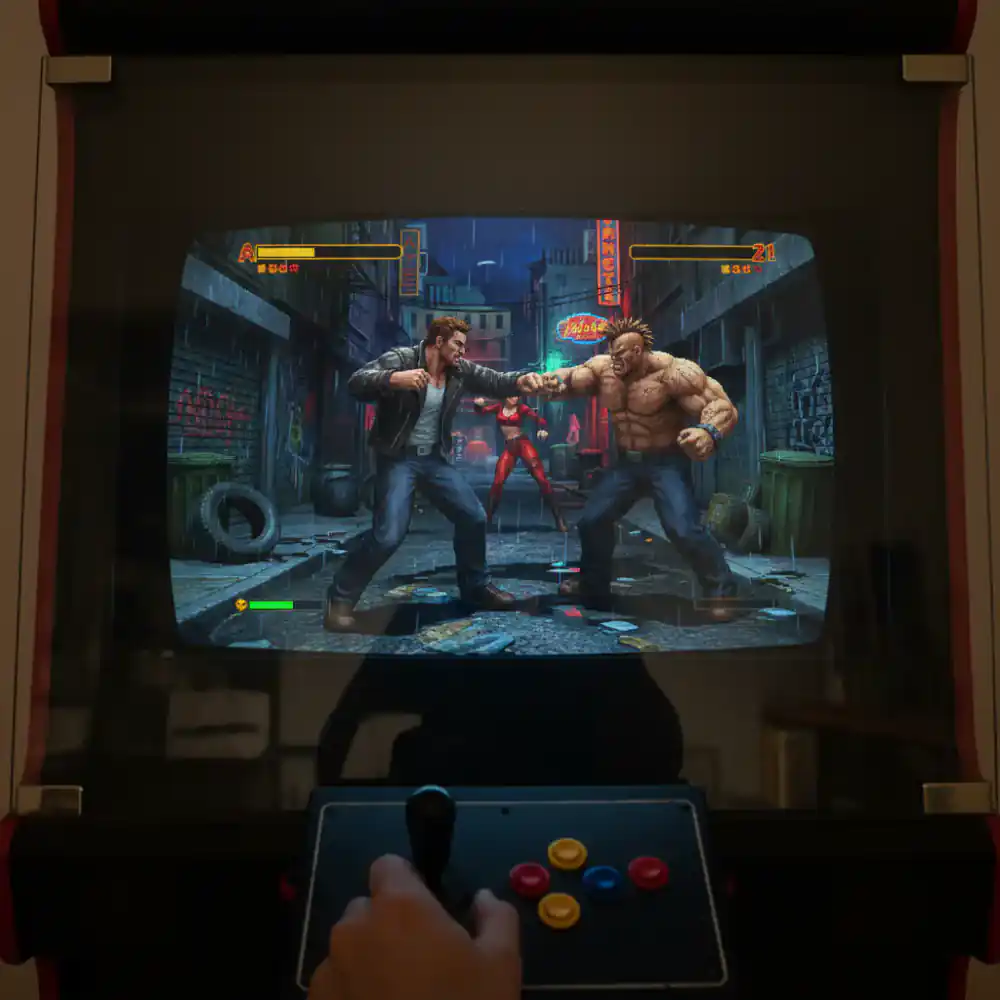
The pinnacle of the side-scrolling brawler. It delivered massive sprites, crunching combat mechanics, and an unparalleled thumping techno soundtrack by Yuzo Koshiro that defined the gritty urban aesthetic of the 90s.

Fun Fact: Composer Yuzo Koshiro programmed his own audio language to squeeze club-quality electronic music out of the console's Yamaha sound chip.
Streets of Rage 2
Gunstar Heroes gameplay screen
08
1993 Run-and-gun Treasure

Gunstar Heroes

★★★★☆

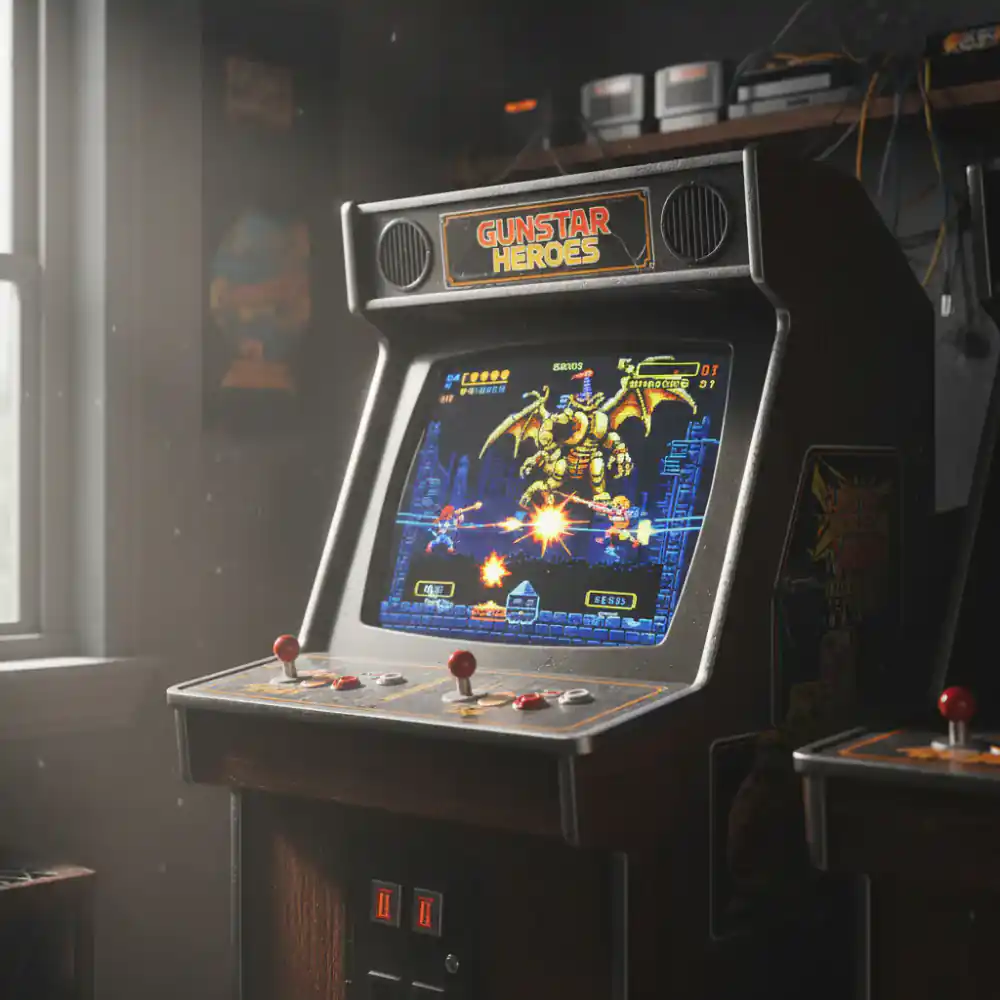
A kinetic, explosive run-and-gun masterpiece from the mavericks at Treasure. It showcased unprecedented on-screen action, multi-jointed boss sprites, and a weapon-combining system that provided immense tactical depth.

Fun Fact: The developers exploited hardware quirks to put far more sprites on screen than Sega's official documentation claimed was possible.
Gunstar Heroes
Earthworm Jim gameplay screen
09
1994 Platformer Shiny

Earthworm Jim

★★★★☆

Blending gorgeous, fluid traditional animation with bizarre, surrealist humour, this platformer stood out in a crowded market. Its varied level design—from cow-launching to bungee jumping—kept players constantly guessing.

Fun Fact: The character was originally created purely as a joke character sketch to mock the flood of animal mascots like Sonic and Bubsy.
Earthworm Jim
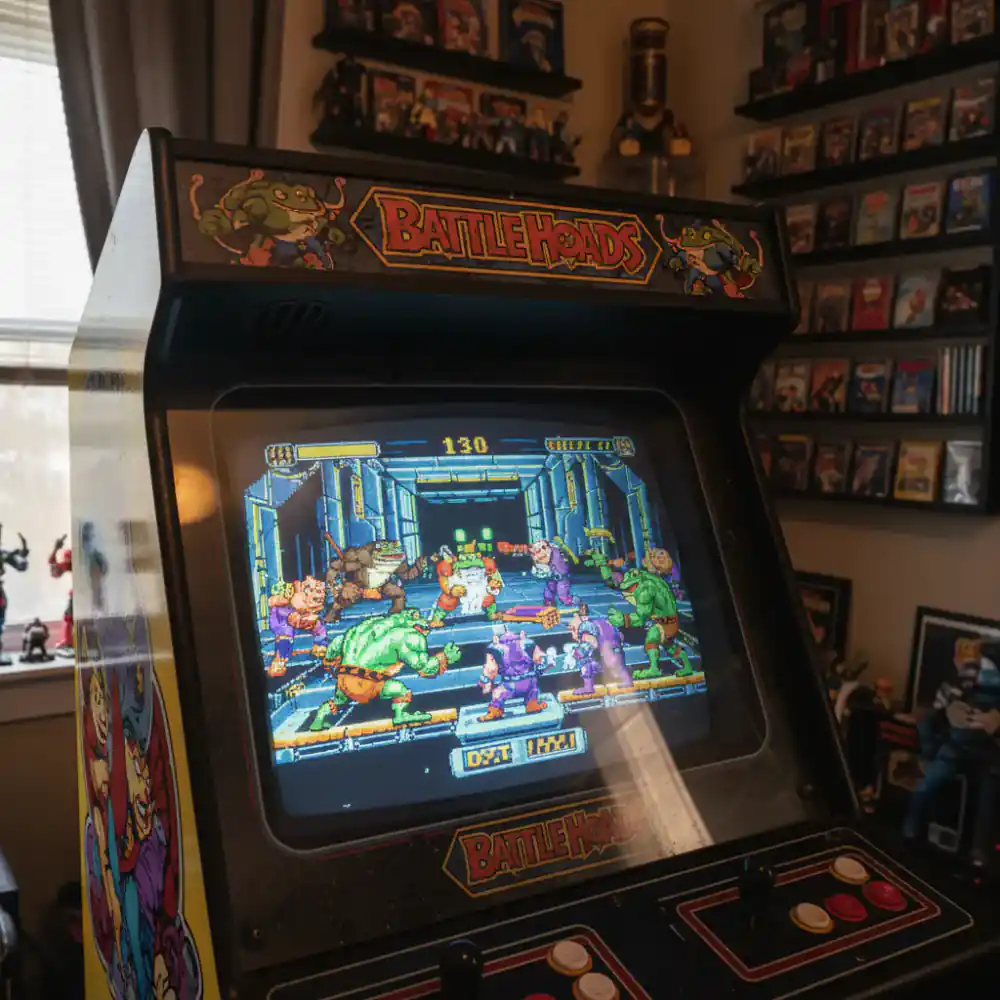
Battletoads gameplay screen
10
1991 Beat-em-up Rare

Battletoads

★★★★☆

Infamous for its punishing difficulty and the notorious Turbo Tunnel, this brawler pushed early 8-bit hardware with massive character models, diverse level mechanics, and comically exaggerated finishing moves.

Fun Fact: Due to a programming bug, player two's controller stops functioning in level 11, making cooperative completion practically impossible.
Battletoads
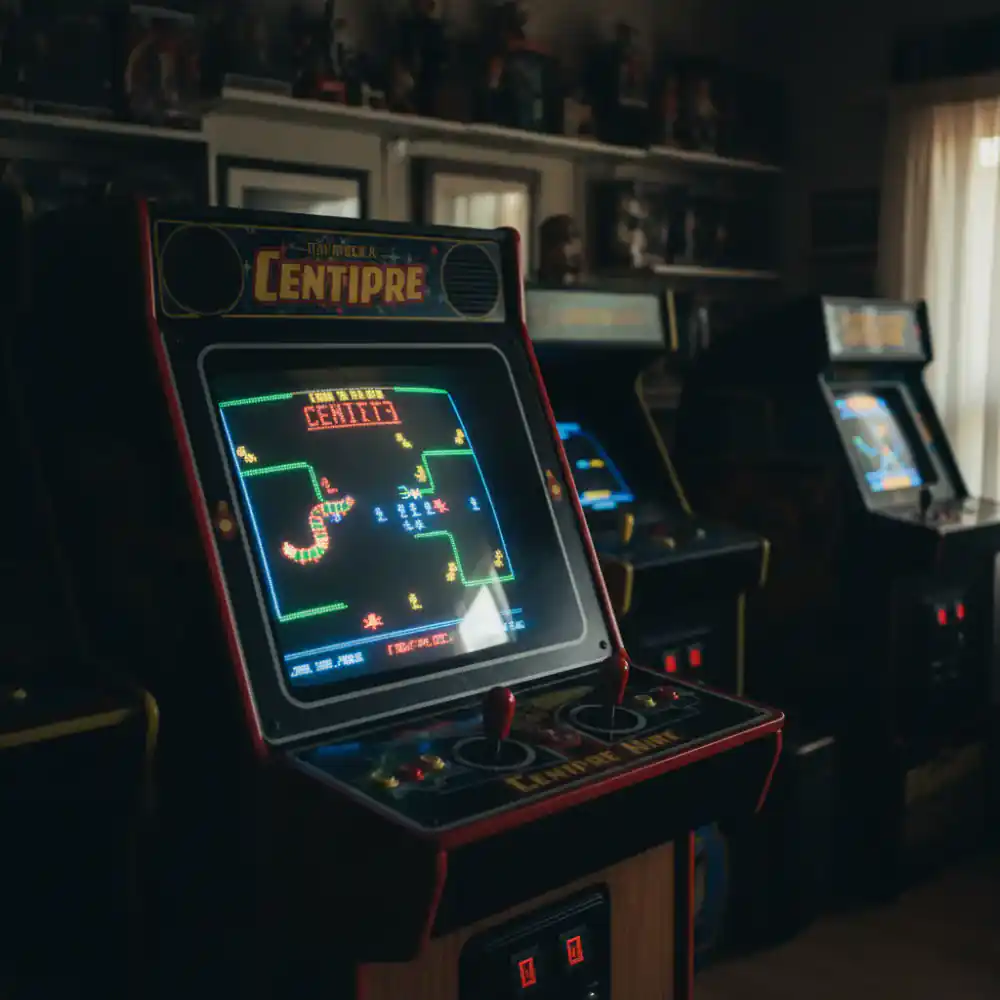
Centipede arcade screen
11
1980 Shooter Atari

Centipede

★★★☆☆

A foundational arcade pillar. Designed to attract a broader audience with its pastel colours and trackball controls, it replaced the rigid military themes of early shooters with an intense, fast-paced battle in a vibrant mushroom patch.

Fun Fact: Co-designed by Dona Bailey, one of the few female programmers in the early arcade industry, explicitly aiming to create a visually distinct game.
Centipede
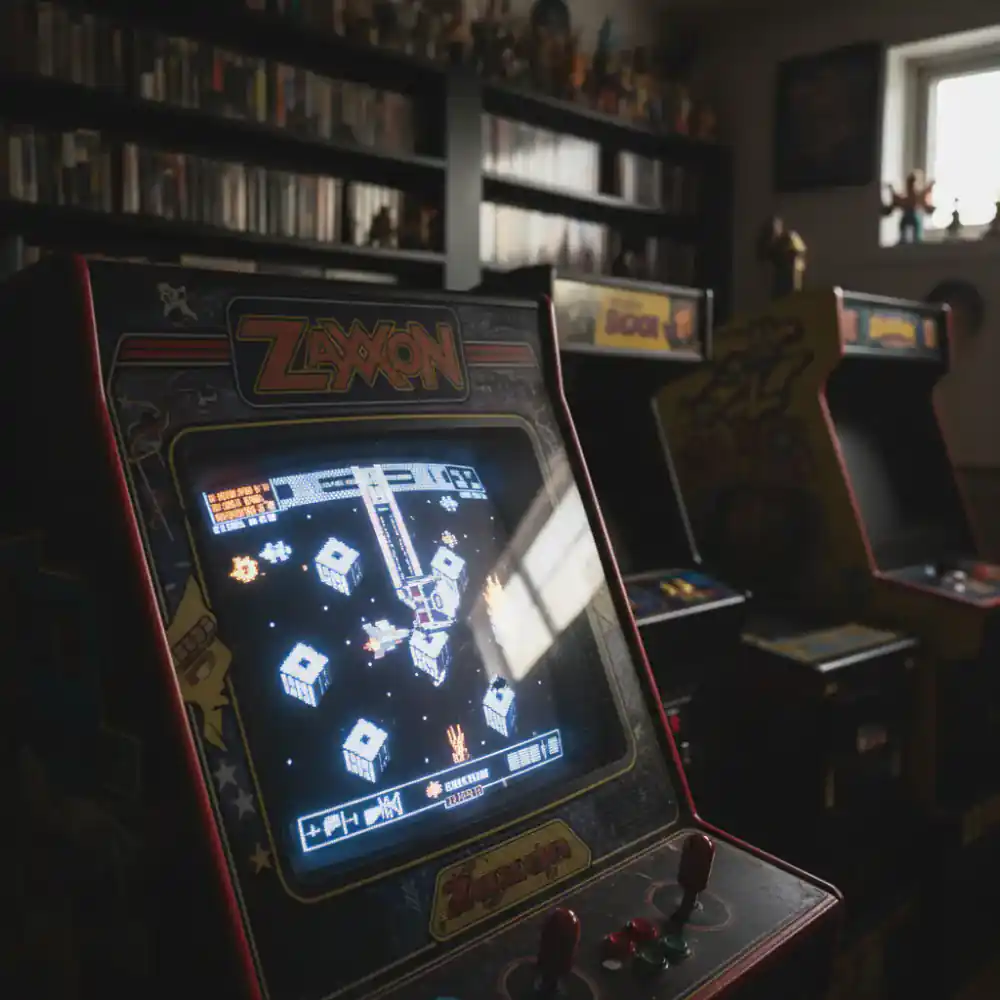
Zaxxon arcade screen
12
1982 Shooter Sega

Zaxxon

★★★☆☆

The first game to employ isometric projection, giving a striking illusion of 3D depth. Players had to navigate a spaceship not just horizontally and vertically, but controlling altitude to clear walls and target fuel tanks.

Fun Fact: It was the first video game to have a dedicated commercial aired on national television, highlighting its revolutionary graphics.
Zaxxon
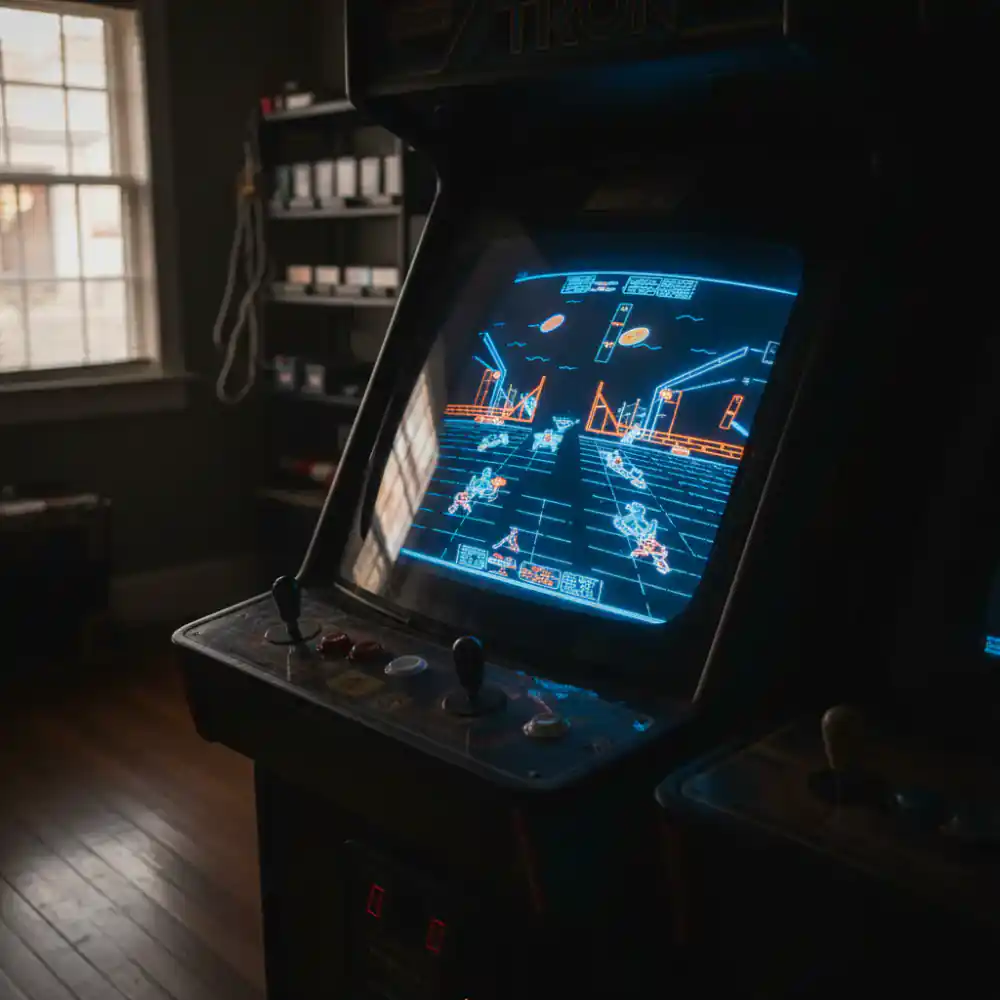
Tron arcade screen
13
1982 Multi-genre Midway

Tron

★★★☆☆

An early example of an outstanding movie tie-in. It offered four distinct mini-games, including the iconic light cycles, wrapped in a neon-drenched aesthetic that captured the pure essence of early cyber-culture.

Fun Fact: The game actually generated more gross revenue than the original theatrical release of the Disney film it was based upon.
Tron
Marble Madness arcade screen
14
1984 Racing/Puzzle Atari

Marble Madness

★★★☆☆

A pioneer in early physics simulation. Navigating an isometric world via trackball, players had to guide a fragile marble through Escher-like abstract levels against the clock, creating a uniquely tense arcade experience.

Fun Fact: It was the first game to use the Yamaha FM synthesis chip, allowing for a remarkably advanced, crystalline stereo soundtrack.
Marble Madness
Golden Axe arcade screen
15
1989 Beat-em-up Sega

Golden Axe

★★★☆☆

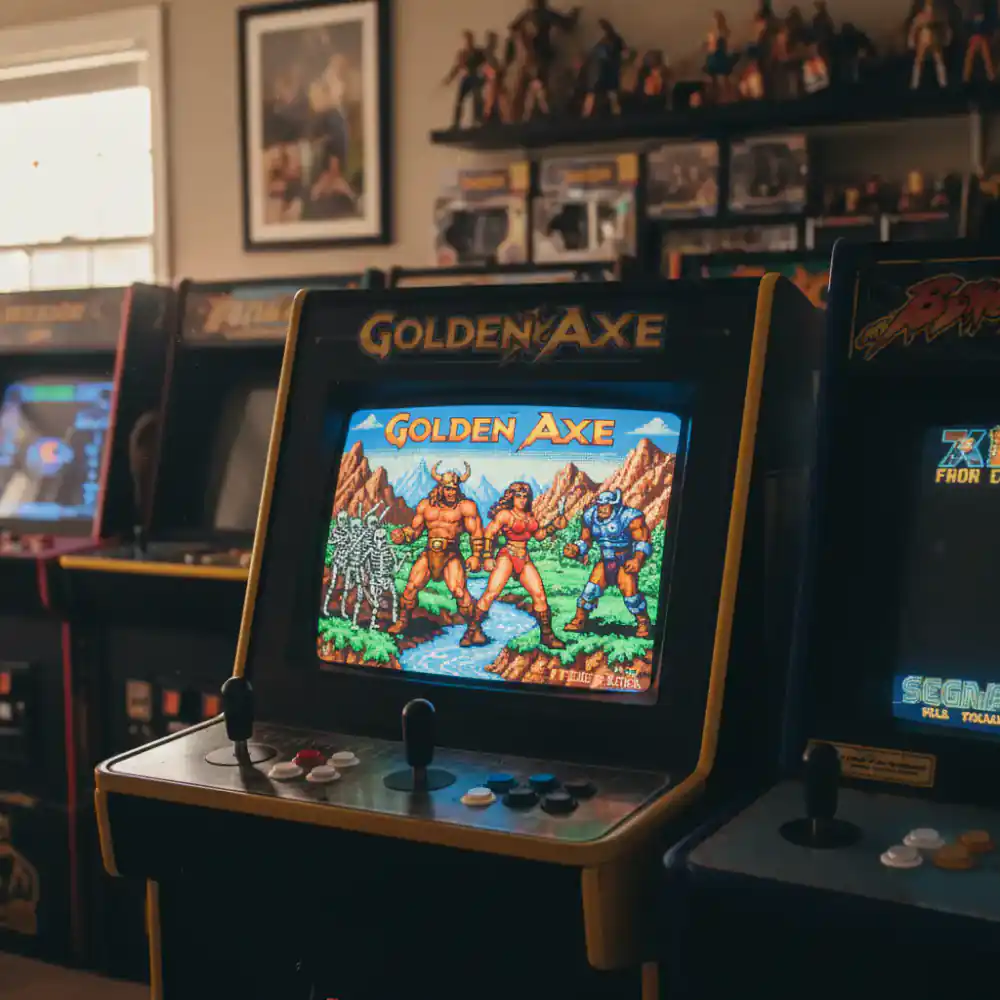
Bringing high fantasy to the beat-em-up genre, this classic allowed players to ride beasts, cast devastating screen-clearing magic, and battle through a gritty world inspired by pulp barbarian fiction.

Fun Fact: The iconic scream samples used when enemies die were sourced from classic films, including Rambo: First Blood and Conan the Barbarian.
Golden Axe
ARCHIVE TRIVIA

Unearthing the Secrets of the Golden Era

📖

RPG Storytelling

Early RPGs relied heavily on dense instruction manuals to convey lore, as cartridge memory constraints severely limited the amount of on-screen text available.

🪙

Arcade Innovation

Many arcade cabinets artificially inflated difficulty spikes in the third level specifically to ensure quick player turnover and maximize coin intake.

🏎️

Racing Design

'Rubber-banding'—where AI opponents speed up when behind and slow down when ahead—was invented to maintain tension and keep races artificially close.

👊

Co-op Beat-em-ups

Friendly fire was often an un-toggleable feature in early brawlers, forcing players to communicate and space themselves carefully to avoid hitting allies.

🎨

16-Bit Graphics

Developers used clever palette-swapping to reuse enemy sprites in different colours to represent tougher variants, saving vast amounts of memory.

📐

Early 3D Effects

Before true polygons, parallax scrolling (moving background layers at different speeds) was the primary method to create a convincing illusion of depth.

💾

Cartridge Culture

Blowing into cartridges didn't actually fix them; the moisture could erode pins. Simply re-inserting them reset the misaligned connector pins.

🔄

Replay Value

High score tables were born out of necessity in arcades, but they inadvertently invented the concept of endless replayability and competitive gaming.

GET IN TOUCH

Contribute to the Archive

Golden Cartridge Review is a living editorial project. Whether you have spotted a factual inaccuracy regarding hardware specs, wish to propose a classic title for future inclusion, or simply want to reach out to our editorial team, we welcome your correspondence.

Notice: Golden Cartridge Review is an independent editorial entity and is not affiliated with, endorsed by, or sponsored by Nintendo, Sega, Atari, Square, or any other game publisher.